Future-Proofing Your Property: The Latest Trends in Electrical Contracting Mar 15, 2026
One of the most significant trends in electrical contracting is the shift towards smart home technology. Smart devices — from thermostats and lighting systems to security cameras and appliances — are now more interconnected than ever through the Internet of Things (IoT). This connectivity allows for greater control and energy efficiency, as homeowners can manage their systems remotely. By incorporating IoT into electrical systems, properties can adapt to new technologies easily, enhancing security and comfort.
Another trend that's reshaping the electrical contracting landscape is the rising importance of sustainable and energy-efficient solutions. Solar power systems are becoming more popular as they reduce energy bills and contribute to a smaller carbon footprint. Installing solar panels can significantly increase a property's value and attractiveness. Alongside solar, the integration of battery storage solutions ensures that excess energy produced during the day can be stored and used at night, or during power outages, providing homeowners with greater energy independence.
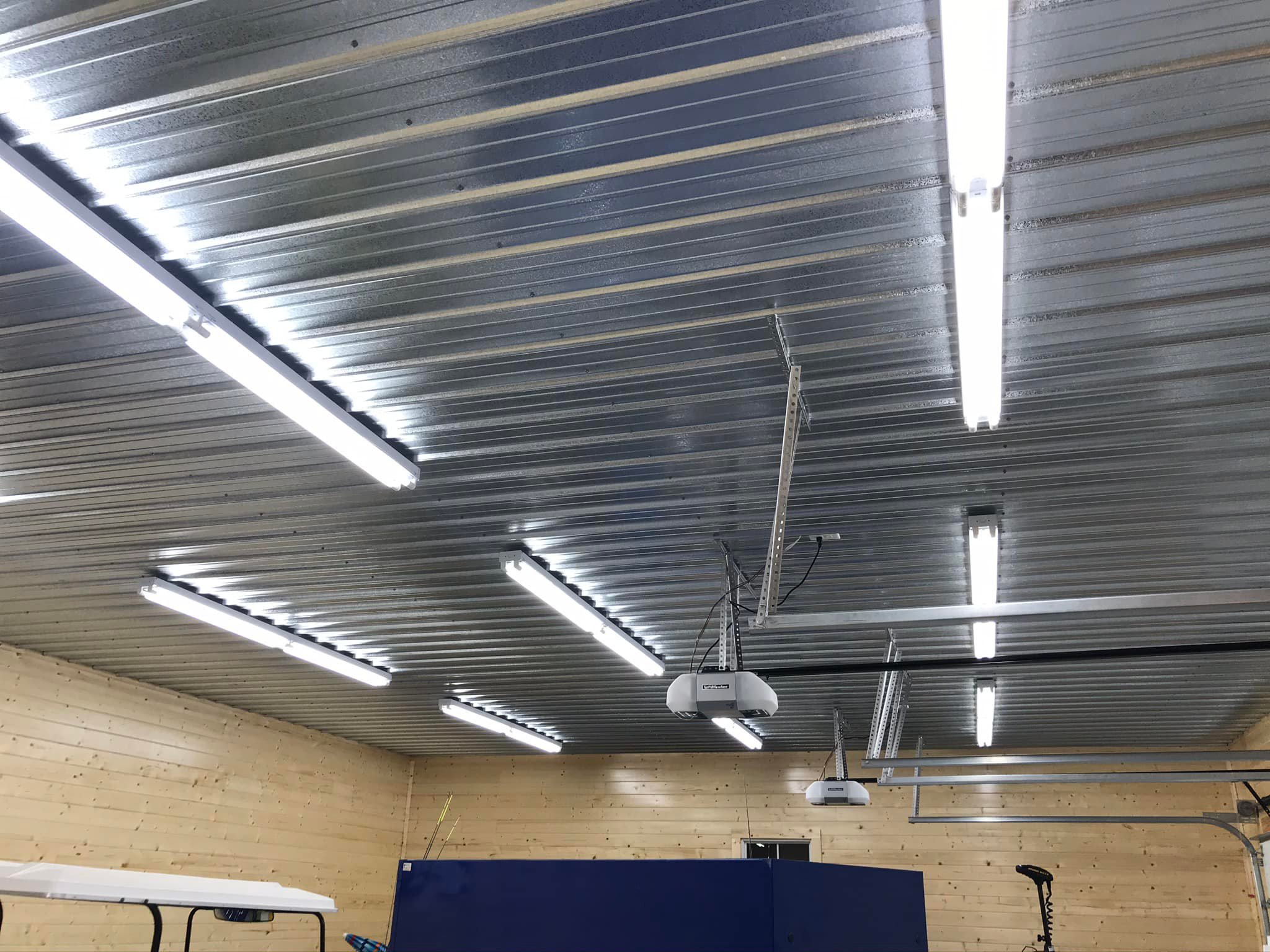
Further contributing to energy efficiency are advances in lighting technology. LED lighting, which uses significantly less energy than traditional bulbs, remains a popular choice due to its long lifespan and lower heat output. Combined with smart controls, LED lighting can adjust based on natural light availability, time of day, or occupancy, thus maximizing energy savings.
Power over Ethernet (PoE) is another technological advancement gaining traction. With PoE, electrical power and data can be transmitted over standard Ethernet cables, reducing the need for extensive electrical wiring. This simplifies installation and maintenance, making it a cost-effective solution for offices and homes looking to integrate more technology without the added infrastructure overhead.
Electrical safety remains a top priority, which is why modern electrical systems are now incorporating more sophisticated detection and protection devices. Arc-fault circuit interrupters (AFCIs) and ground-fault circuit interrupters (GFCIs) are becoming standard in preventing electrical fires and shock by automatically disconnecting power if a fault is detected. These are crucial in older buildings that may not have been originally designed with today's safety standards in mind.
For businesses, energy management systems (EMS) are an invaluable tool, providing insights into energy usage patterns and offering recommendations on how to minimize wastage. These systems can manage and automate a building’s energy use, controlling lighting, HVAC, and other essential systems for optimal efficiency.
As technology continues to develop, adapting to these trends ensures that your property is not just up-to-date but also positioned to integrate future innovations with ease. At 310 Construction, we pride ourselves on staying at the forefront of these advancements, ready to assist our customers in making informed decisions that meet both current needs and future demands.
By incorporating these innovative solutions, property owners can enjoy enhanced safety, efficiency, and peace of mind, knowing that their electrical systems are prepared to accommodate whatever innovations the future may bring. Whether upgrading an existing electrical system or designing a new one, embracing these trends is a step towards future-proofing your property.
/filters:no_upscale()/filters:format(webp)/media/cd650bbc-f458-44fe-a5e4-a6c42ee2294a.jpg)